
Featured Artist
Glen Brunken
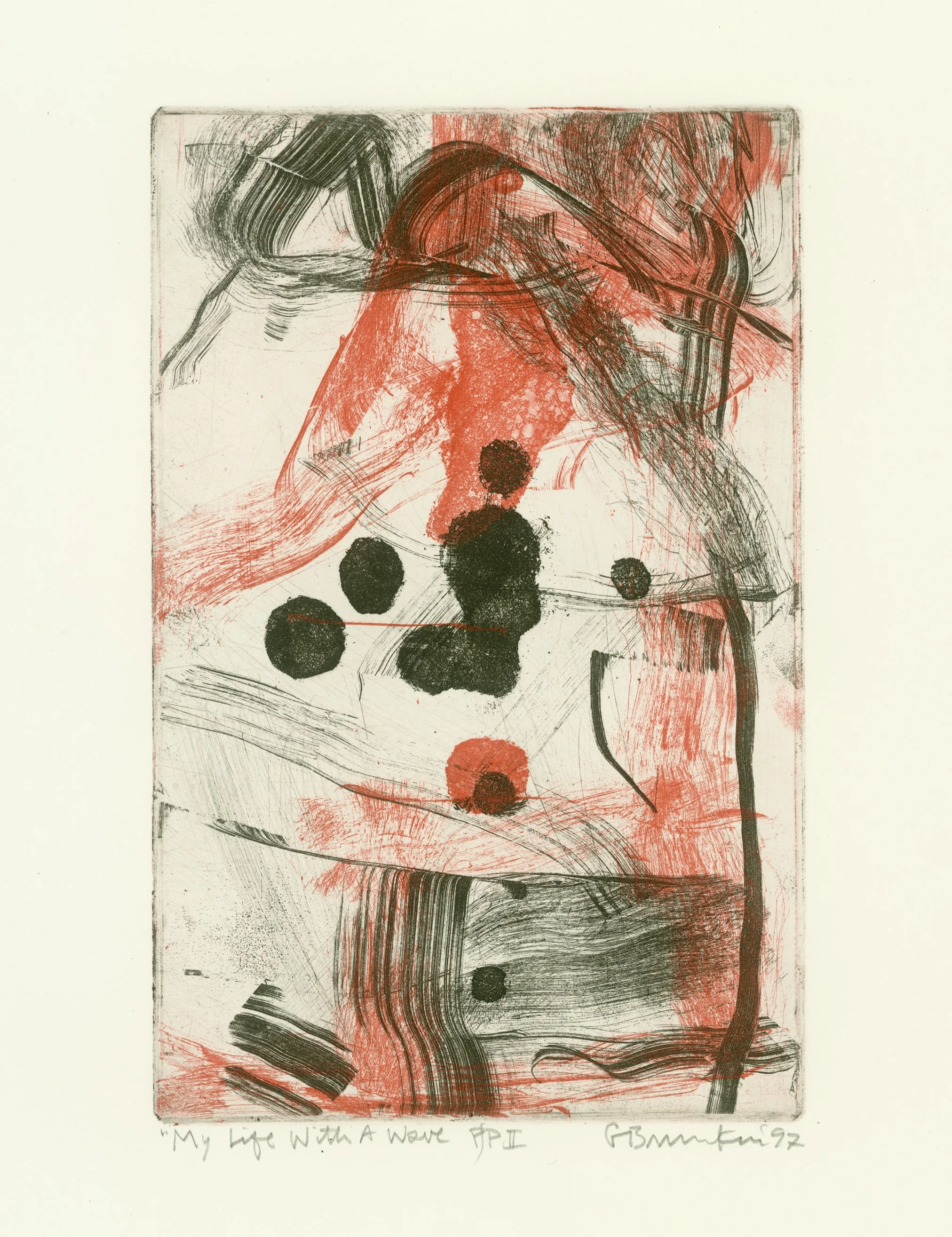
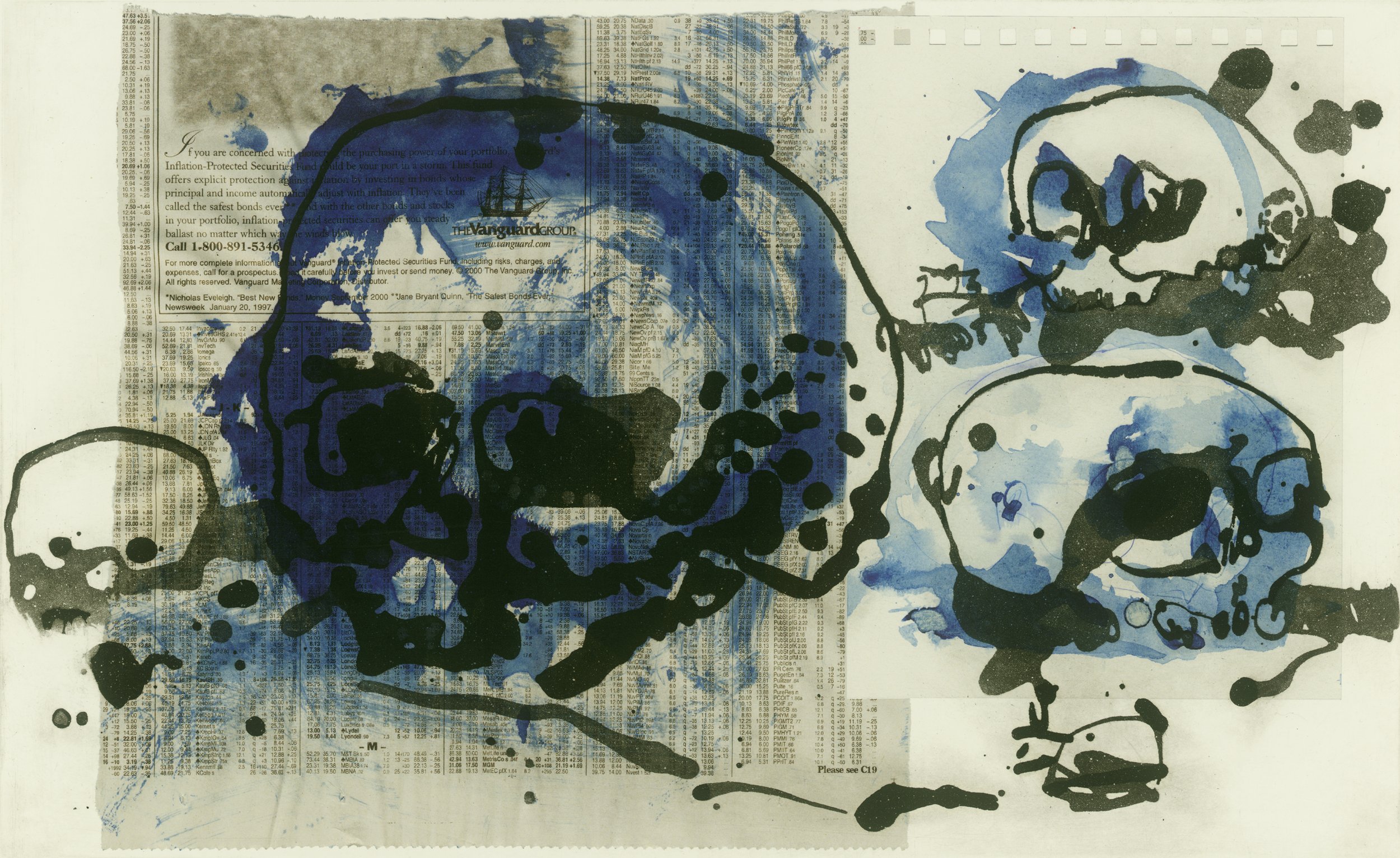
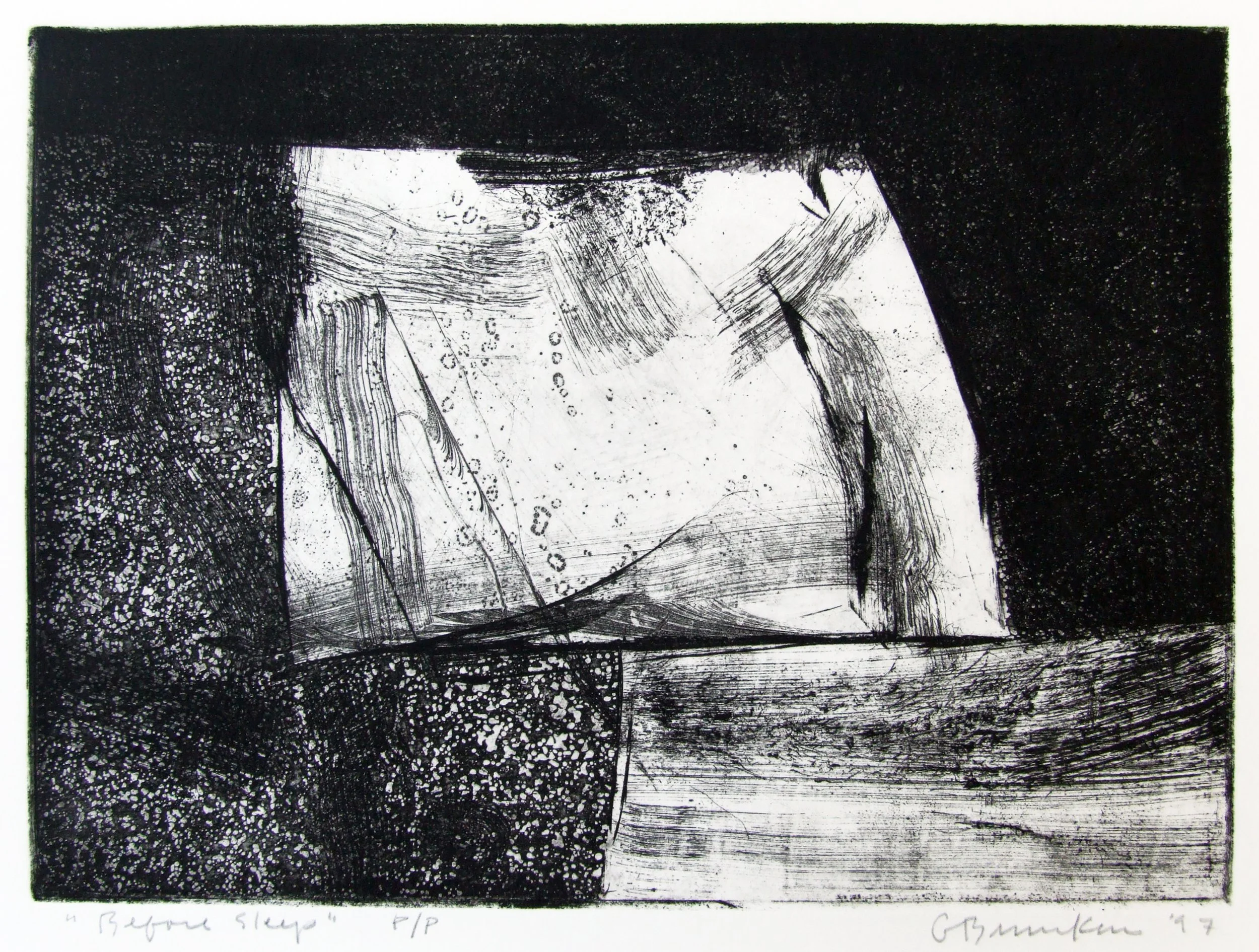
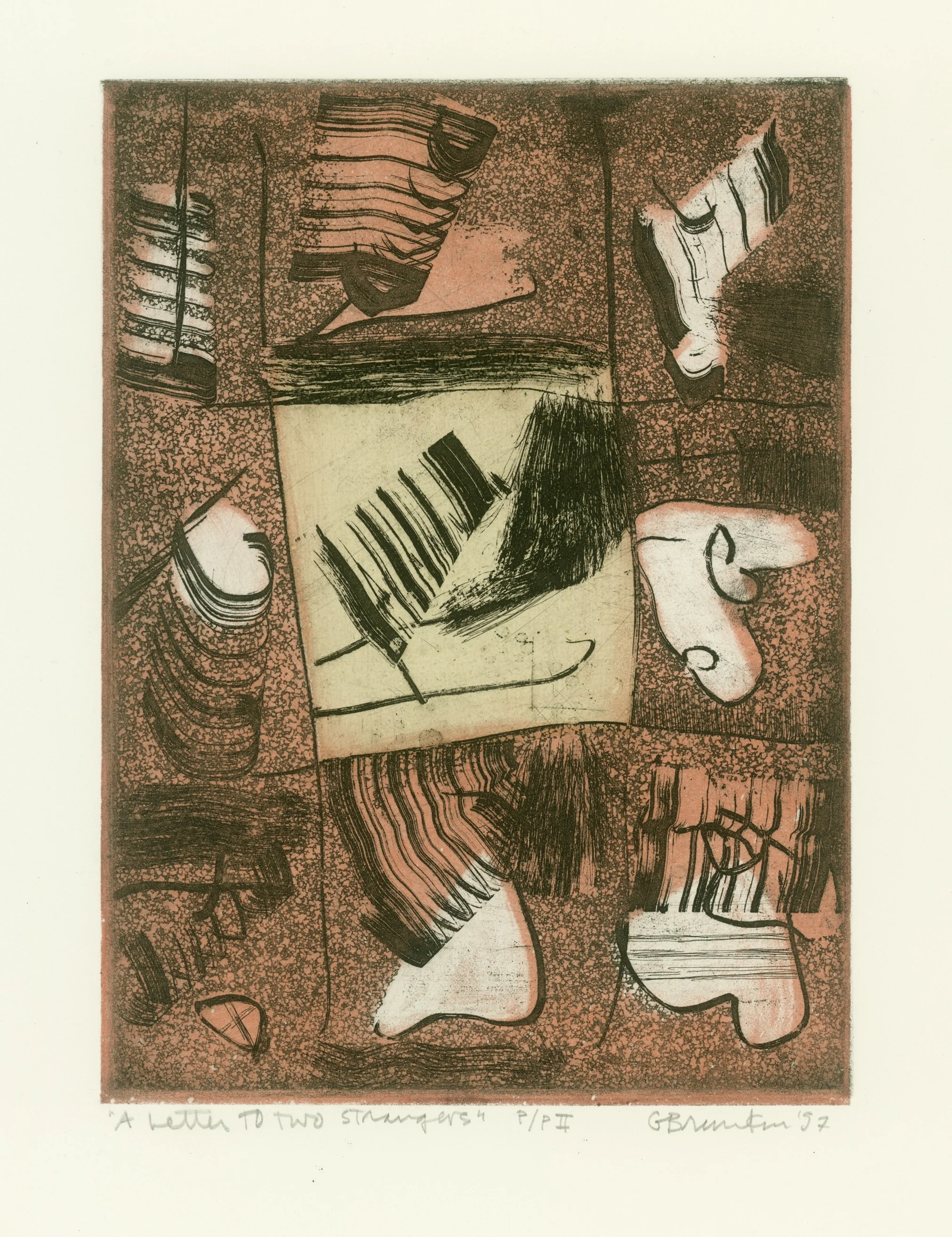
Born in Oklahoma City, Brunken (1943–2013) used printmaking and painting as a direct channel for emotion, building a decades-long practice defined by movement, experimentation, and collaboration.
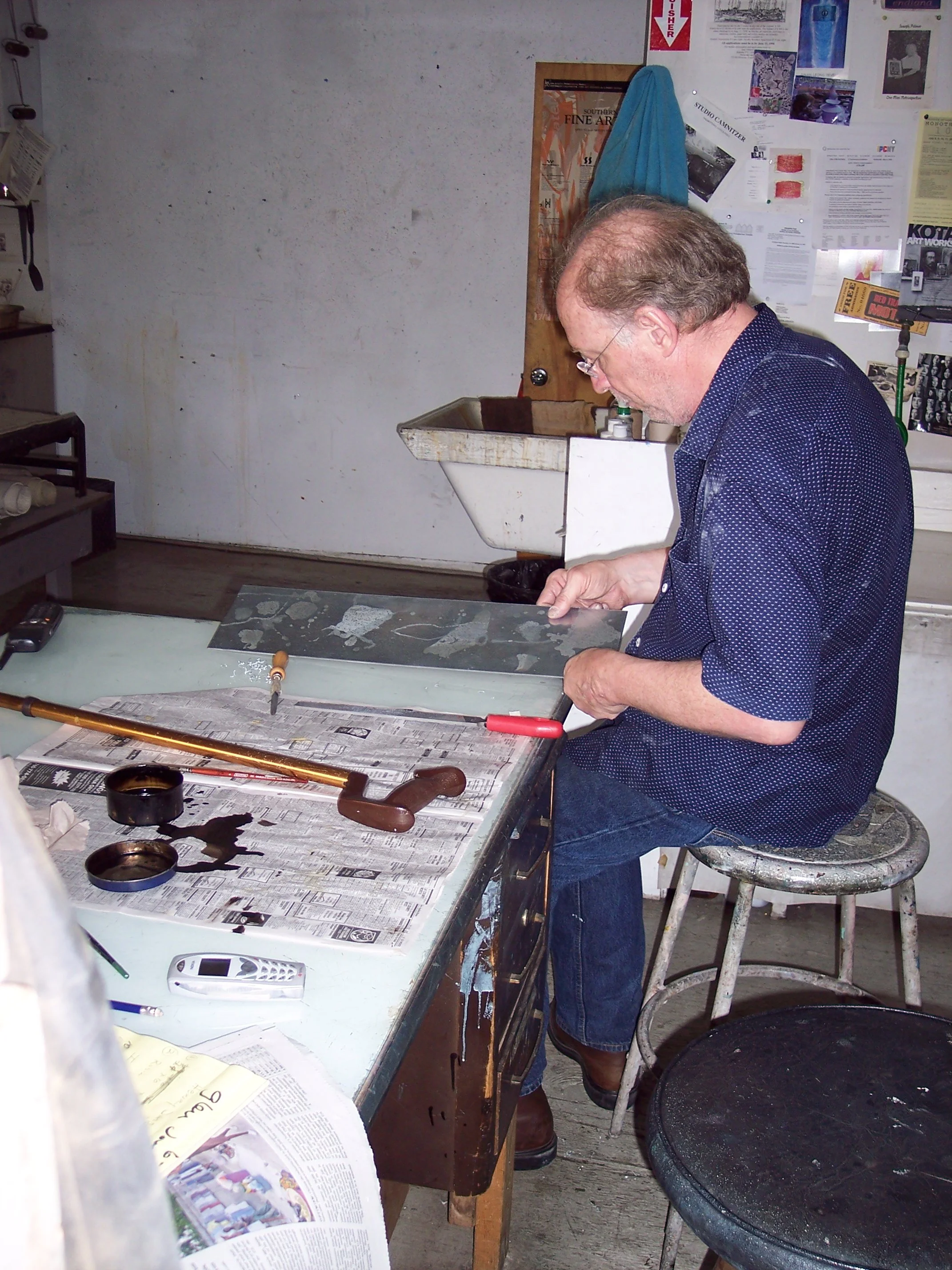
Our StoryWhat began as a classroom exchange between student and teacher evolved into a lifelong creative partnership—revealing Glen Brunken’s practice as one rooted not just in instinct and process, but in collaboration, dialogue, and a shared sensitivity to language.
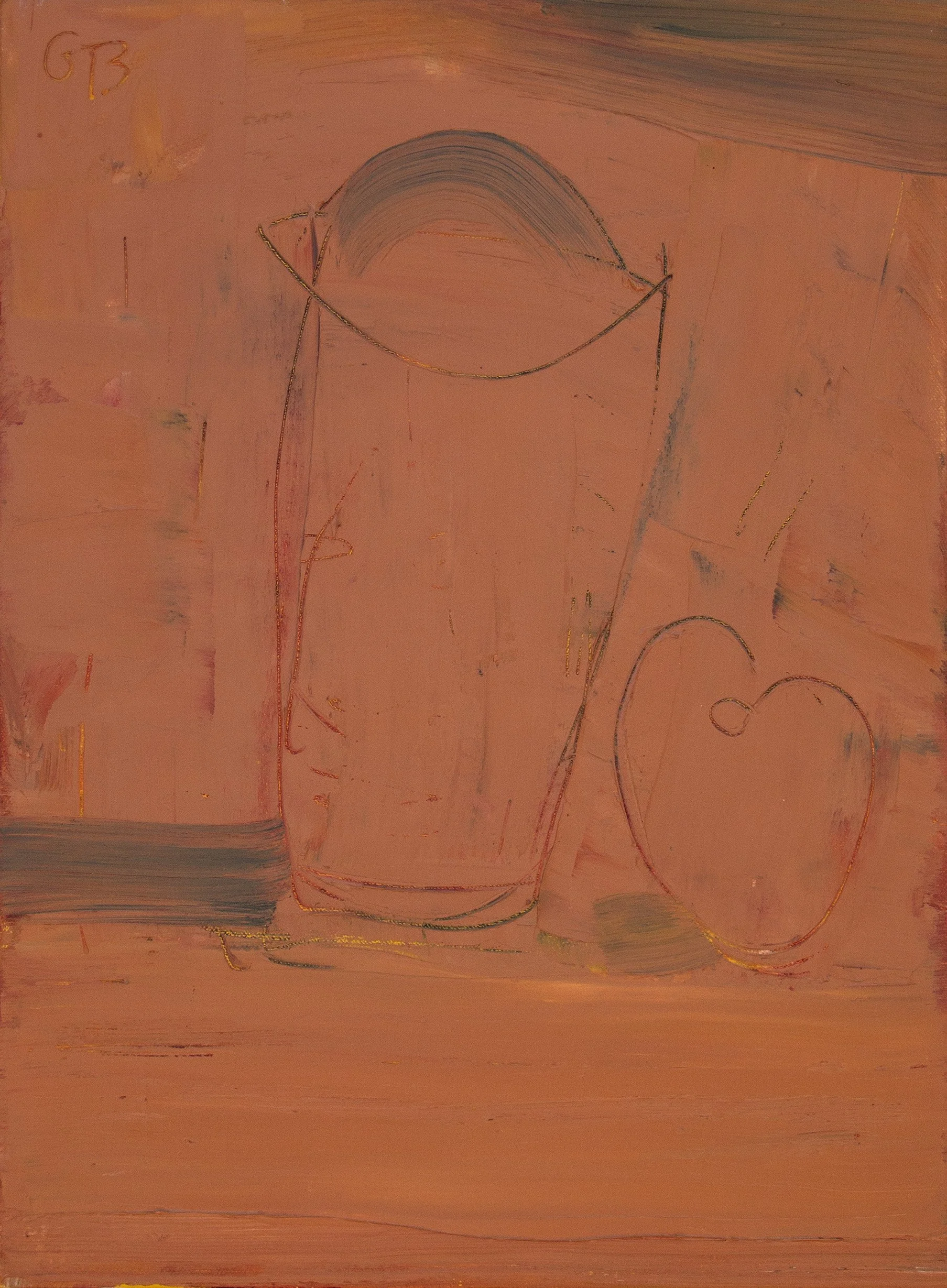
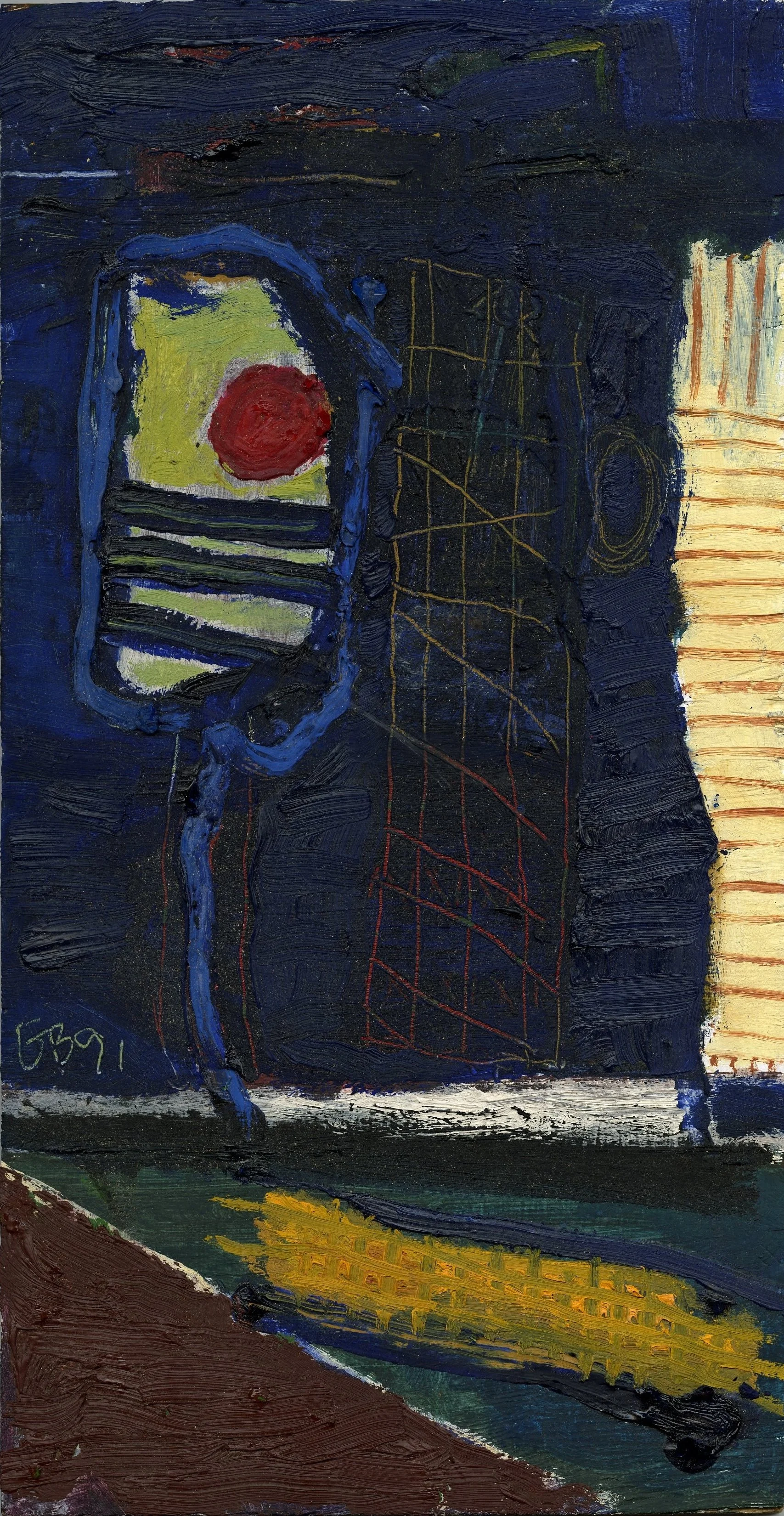
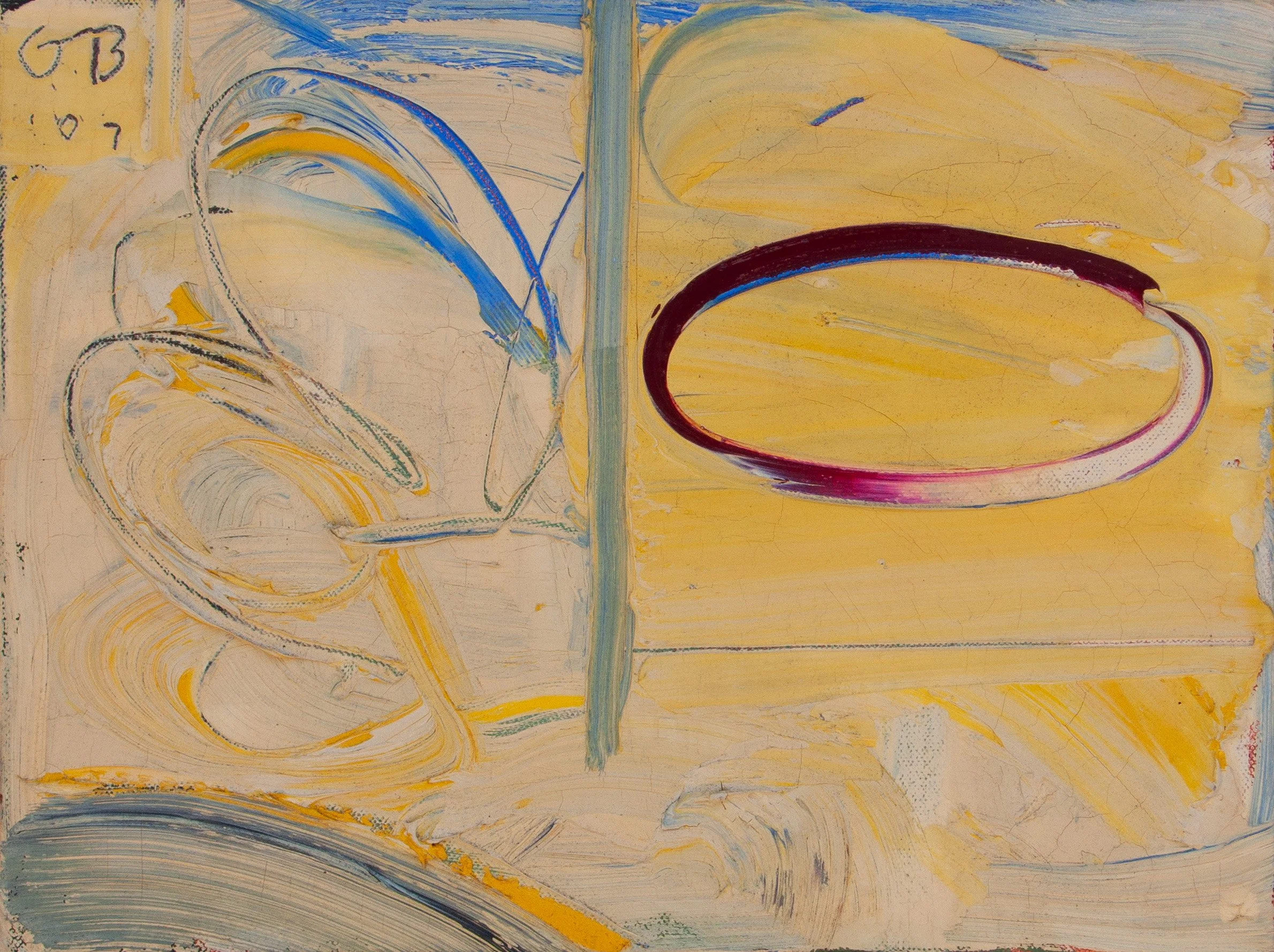
Interview About Glen With John Greco
-
JG: I met Glenn in 1974 when I transferred to Slippery Rock University as an undergraduate art major. Glen was my printmaking instructor. We hit it off right away as I was a bit of an older student, and he was just a few years older than I was. Glen became a big brother and mentor to me and was a stabilizing presence to everyone else at Slippery Rock, including other faculty members. He was reassuring in his way of speaking, with a settling voice in the art world among creative minds with their scattering thoughts and ideas. Over the years, we became closer friends and collaborators, and he became my best buddy in art.
-
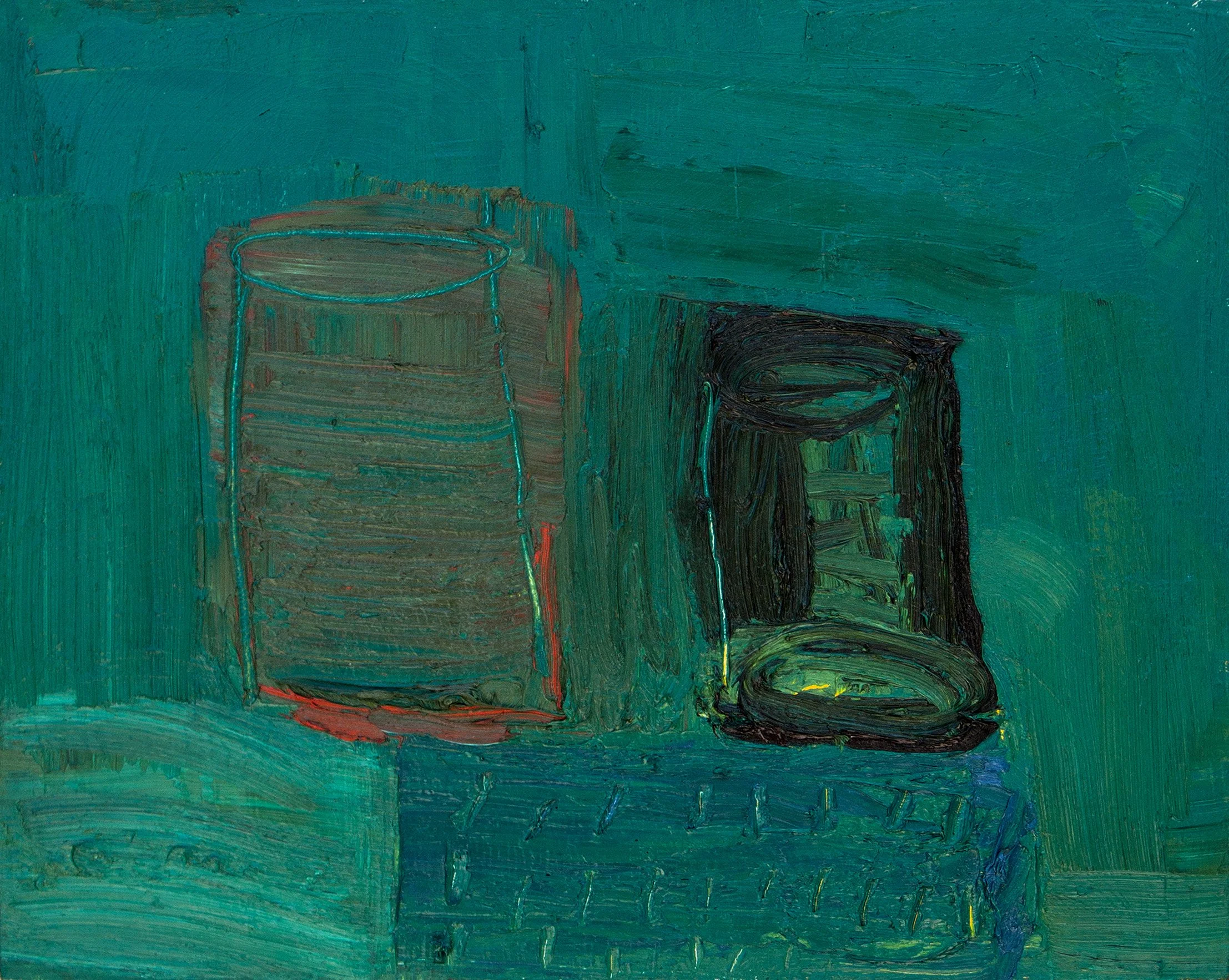
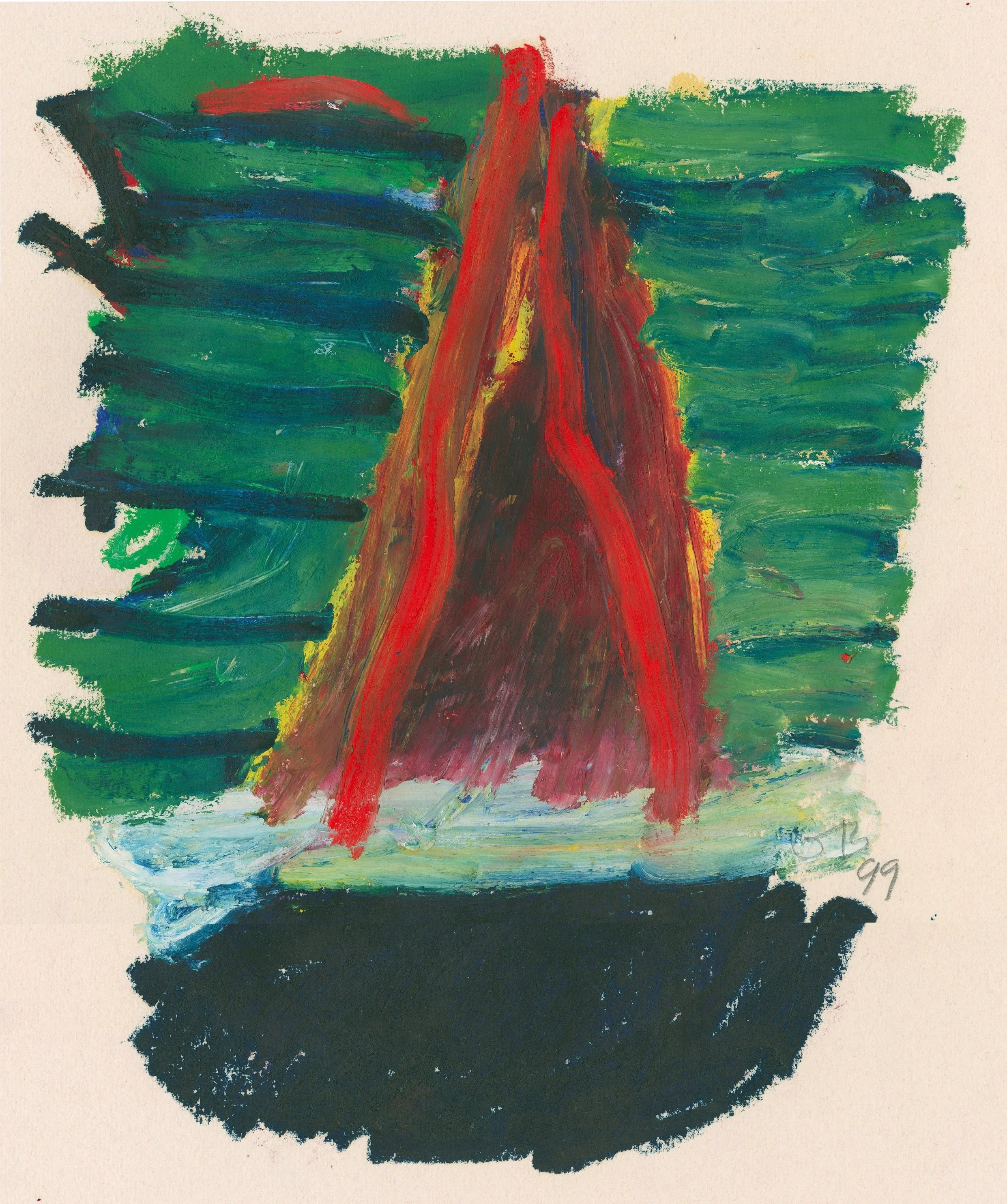
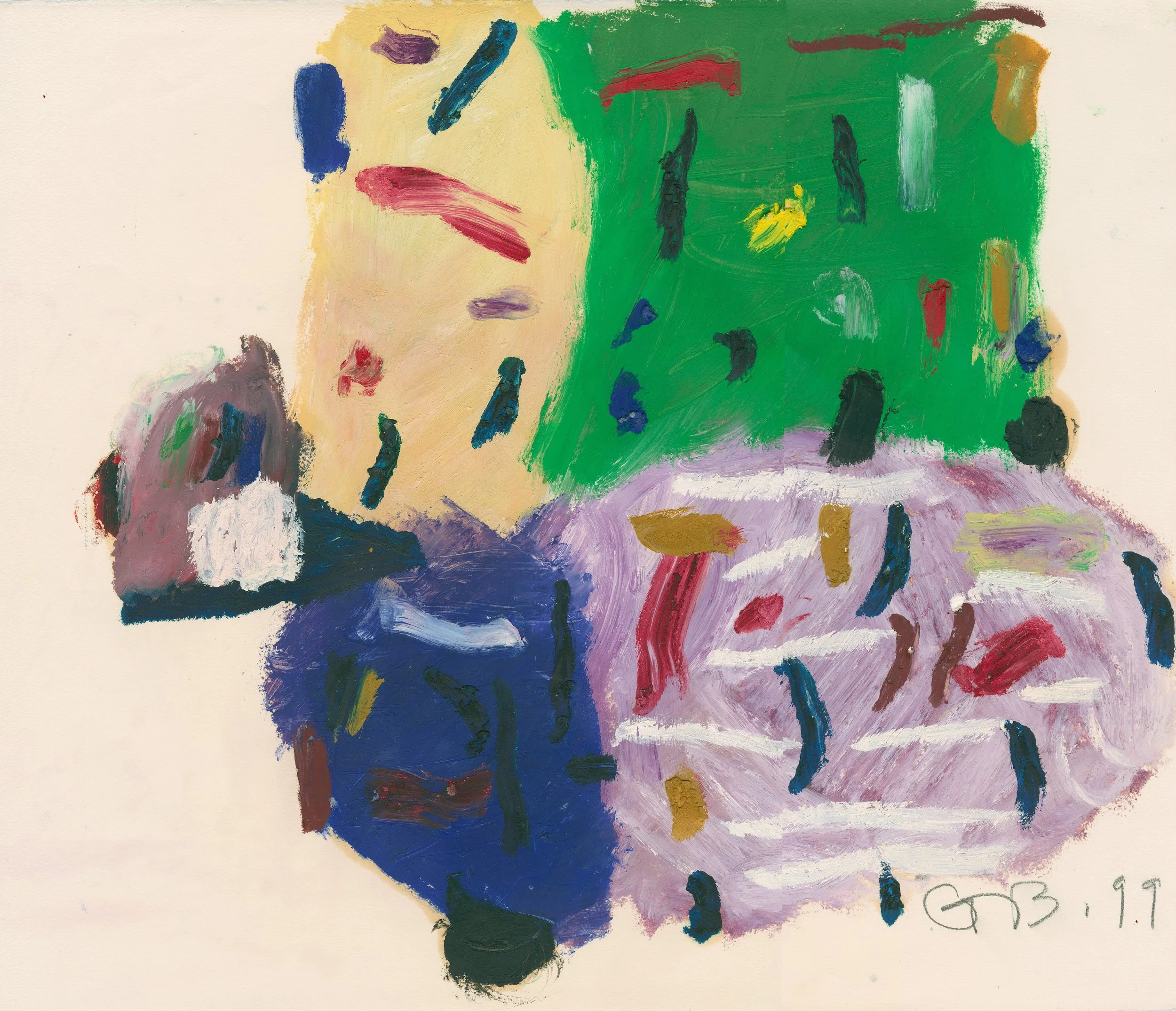
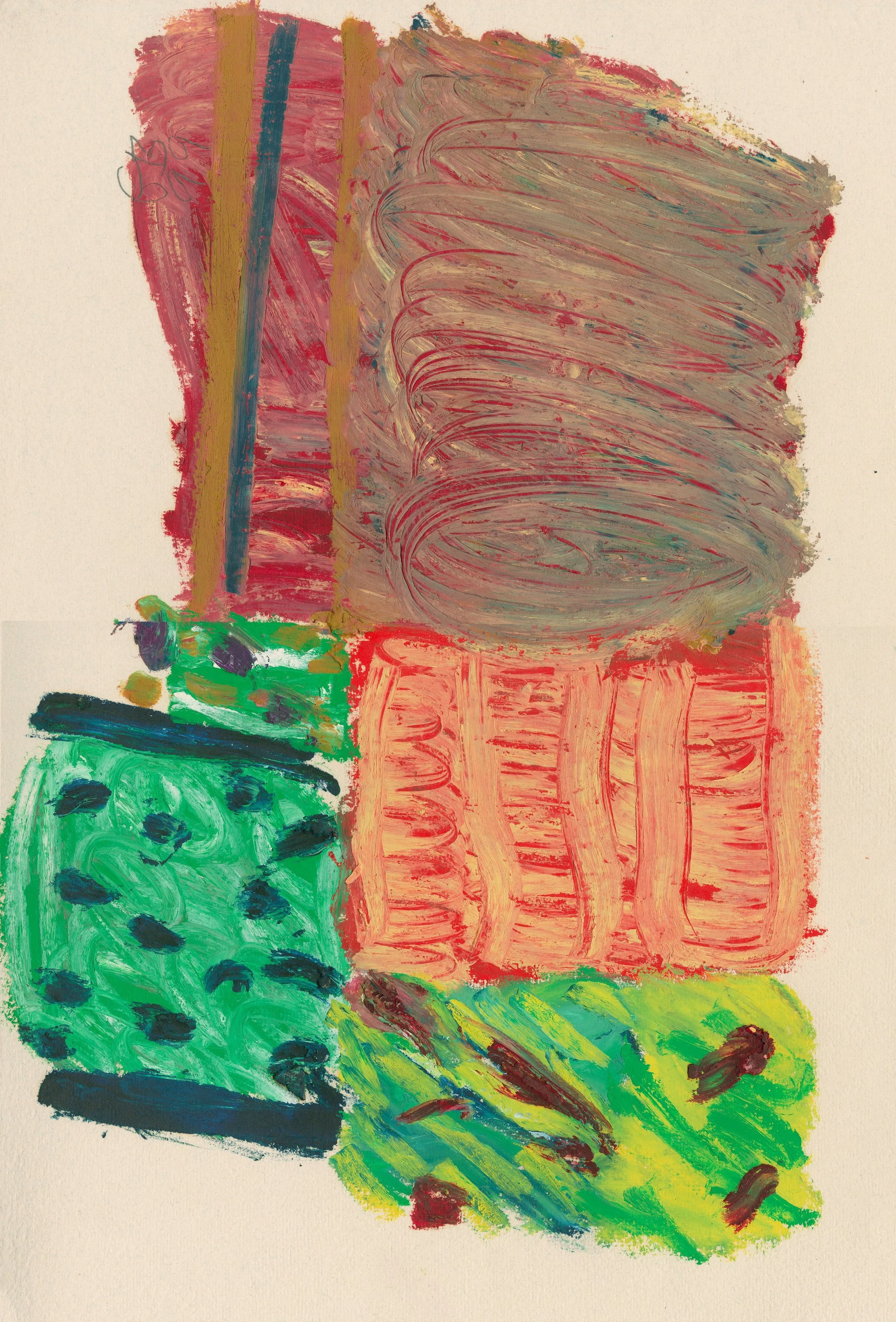
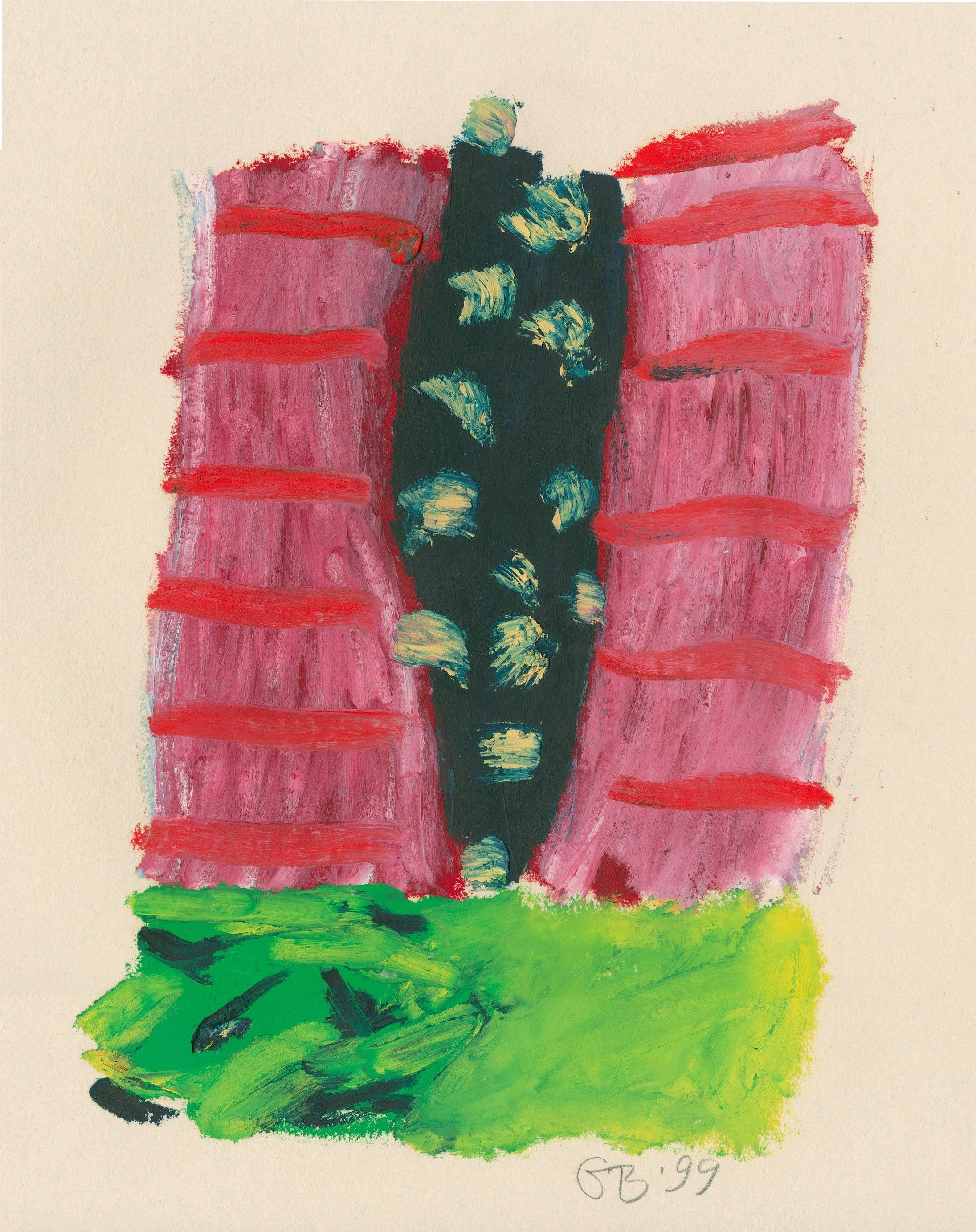
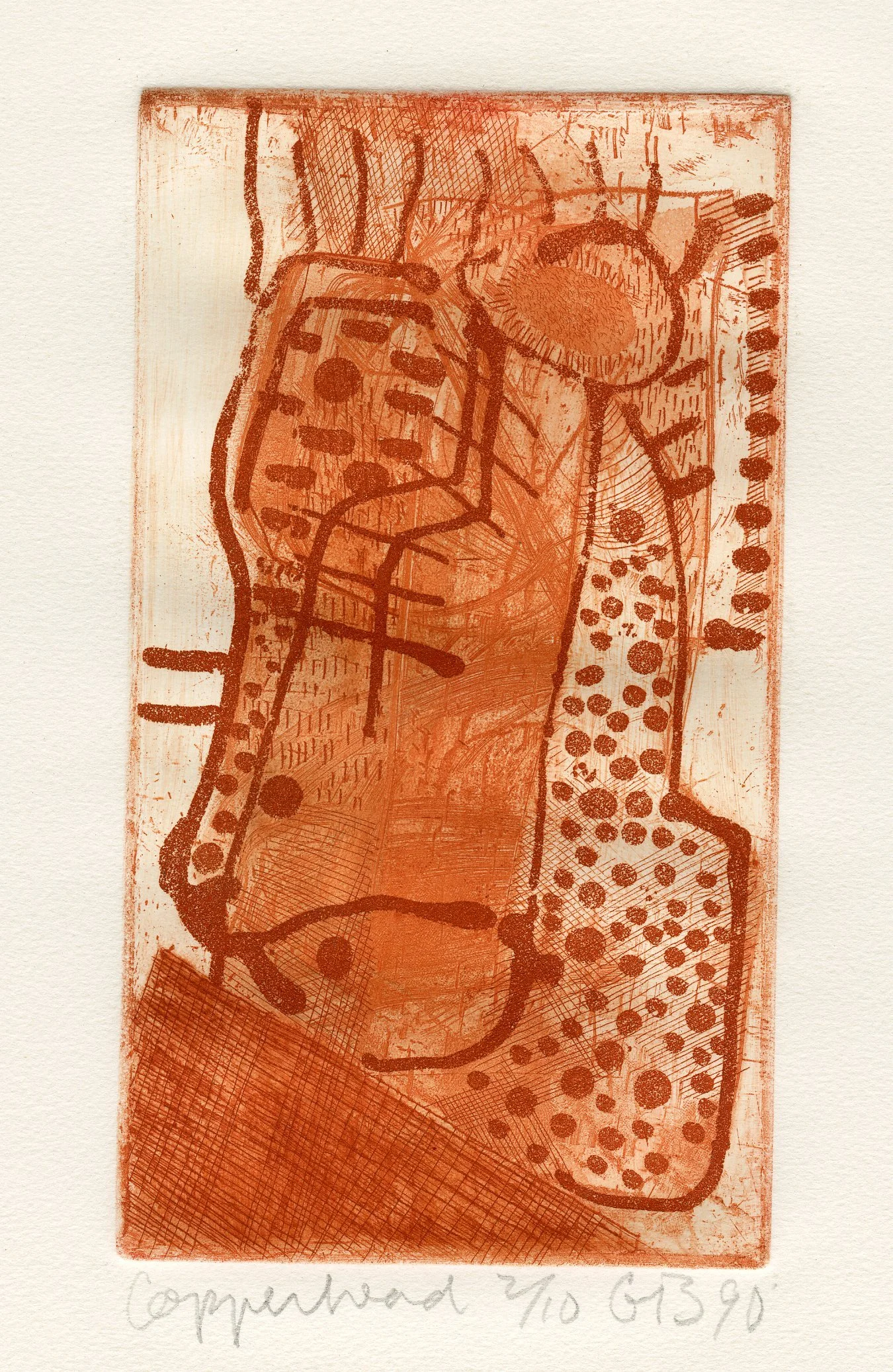
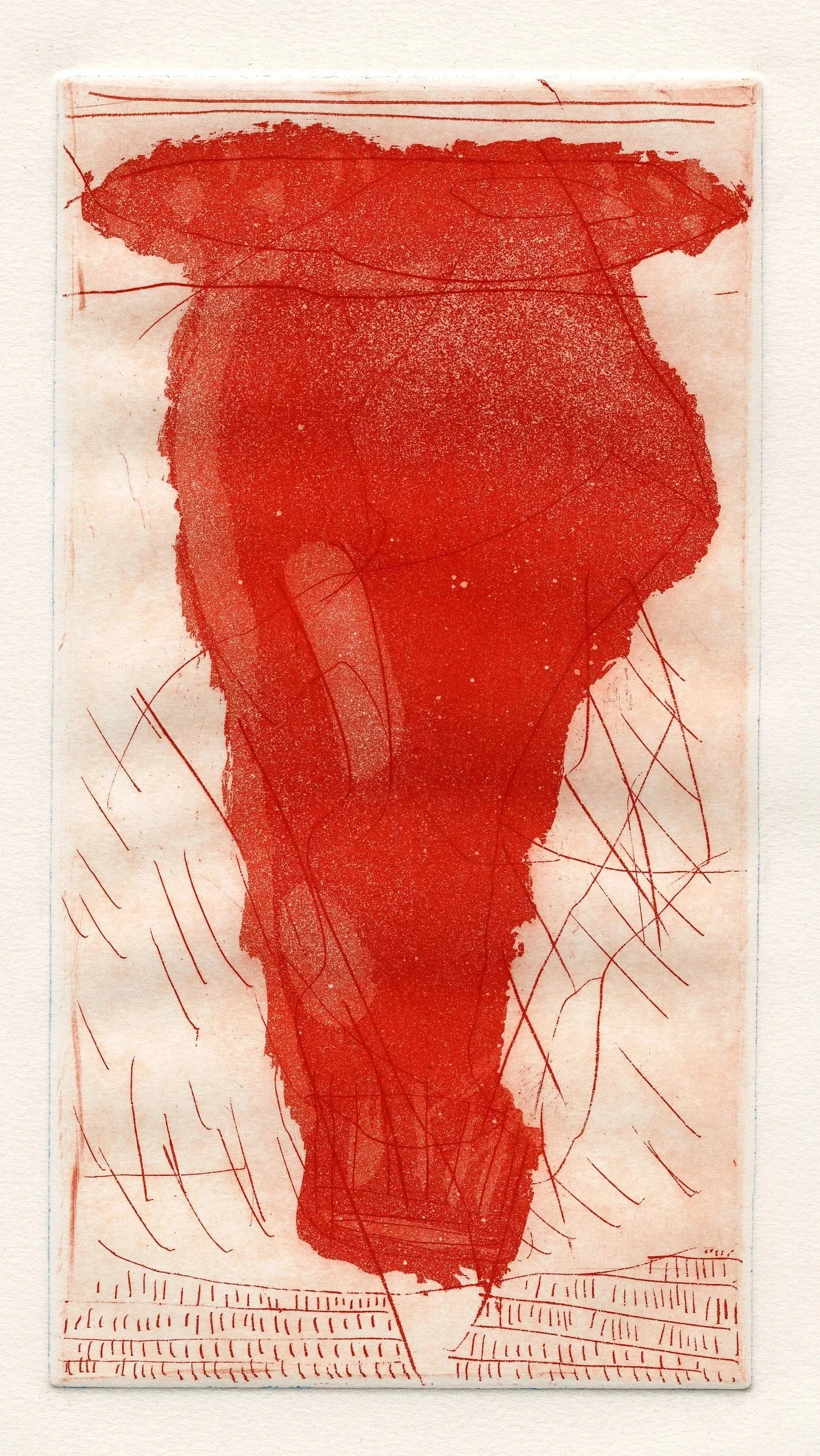
JG: Glen never started a composition with a preconceived idea. He got inspired by looking out of his studio windows at the Western Pennsylvania landscape, with its changing colors throughout the seasons. Aside from nature, Glen was also heavily influenced by improvisational jazz. It was a lifestyle he fell into: he listened to Charlie Parker, John Coltrane, and Miles Davis when artmaking in his studio.
He would go into that studio with maybe some colors or thoughts in mind, listening to music and moving his arm, hand, wrist, and eye as a drawing formed. His process was always more about feelings than about reproducing something recognizable. He always talked about how the jazz sounds affected his marks on paper, canvas, or plate. He would even make these composite jazz and blues albums and send them out to me all the time in little care packages with art supplies and music.
-
JG: When Glen made his art, he never had a title in mind. But when his work was finished, he would go to the local newspapers in the sports section and look at the thoroughbred horse racing lists with their catchy names, like Forever Years or Skip Doodle Doo. He would find a phrase to attach to the feeling he had in a painting, print, or drawing. He also liked looking at jazz musician album covers—like browsing through Thelonious Monk’s song titles—to find something that matched the mood he was looking for, like Around Midnight. He would pick that title and pair it with a painting, and it would work.
-
JG: When Glen was about five years old, he contracted polio, which crippled him for the rest of his life. His legs were frozen stiff, and he always walked with a limp. The forty years I knew him, I saw him fall flat on his face several times—climbing a staircase or walking—and he’d pull himself up, scraped and bleeding, cuss a word or two, and get right back to whatever he was doing. He wouldn't let anybody put any sympathy on him or help him. He was probably the strongest guy I knew as far as fortitude was concerned.
That commitment carried into his work schedule. He was known to work alone in the art department late into the night. When he had a show coming up, he worked until one to three in the morning. At the end of the night, his body would be so tired he had to crawl on his hands and knees up the stairs to get to the parking lot to his truck. That’s how committed he was to getting things accomplished.
-
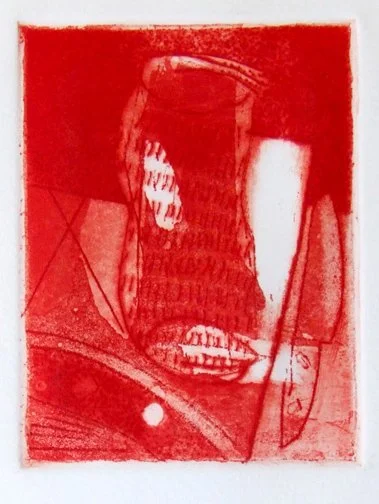
JG: One is called The Still Life with a Knife. It’s a small, vibrant 11-by-15-inch abstract expressionist etching with elements of a still life that gripped me the first time I saw it.
Another piece we worked on together at Josephine Press was called Straight No Chaser, named after a Thelonious Monk album. We were working on a three-plate color etching using aquatint, drypoint, and soft grounds. We were far into proofing and everything was going smoothly when all of a sudden, one of the plates got turned upside down by accident. But when it came off the press, Glenn, myself, and everyone else said, "Wow." It registered so beautifully by accident, and it made the whole print. That experience reminded us both of a core truth: in the process of making art, development happens when you let things arise naturally and make decisions based on what hits you emotionally, psychologically, and physically.
-
JG: I always liked that, as an artist and a person, Glenn was always trying to involve other people. Glen and another professor, Richard Bookish, created summer academies at Josephine Press where we got government grants to invite five or six non-printmaker artists—like potters or sculptors—to experiment for six weeks. Students became assistant printers, and we would spend 12 to 14 hours a day eating, sleeping, partying, and making art together.
Outside the shop, Glen was a real cowboy. In addition to being a master printer, he was a master pistol shooter who won national awards for his accuracy. We spent a lot of time out in the woods. Glen had this little four-wheel-drive rover he had to use because he couldn't walk through the forest, and we would look at the deer and do a lot of fishing together.
-
JG: Unfortunately, he passed away a handful of years ago. Glenn’s first wife died young, and then he remarried and had a son. His son is now following in his footsteps as a professor at Western Pennsylvania Community College, and is an artist himself. His son and ex-students organize week-long drawing marathons in Slippery Rock, Pennsylvania, out on a farm in his honor. He was a great friend and a great, great teacher who lived in Pennsylvania most of his life but never forgot his roots.